Enterprise SaaS Platform Development for Construction Management Company
We provided ASP.NET Zero development team to create custom Enterprise SaaS Platform.
Read Full Case Study
Build, launch, and scale SaaS products with an engineering team experienced in multi-tenant architecture, .NET, Azure, integrations, subscription workflows, and continuous product delivery. Facile Technolab helps founders and businesses turn SaaS ideas into production-ready products and helps existing SaaS platforms modernize, scale, and evolve. From product discovery and MVP development to architecture, development, cloud deployment, and post-launch engineering, we can support the full SaaS lifecycle.
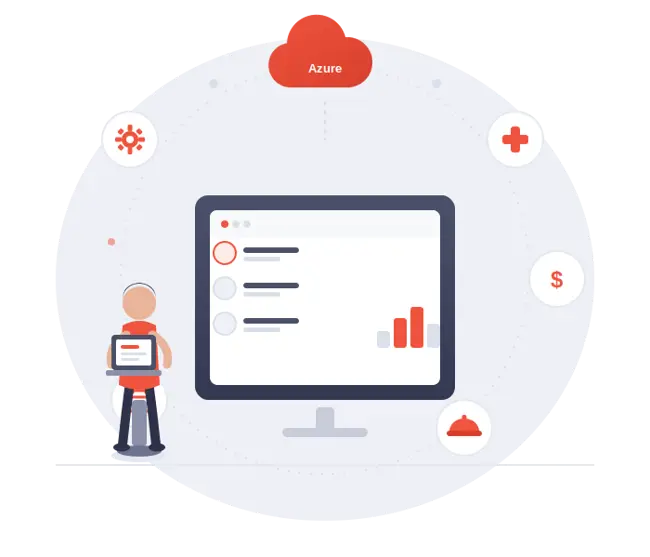



A SaaS product is more than a web application hosted in the cloud.
It needs foundations for:
We design these foundations early so that product growth does not automatically lead to an expensive rewrite.
Build a SaaS platform around your business model, customer workflows, user roles, pricing strategy, and product roadmap.
We can develop B2B, B2C, internal-to-commercialized, and industry-specific SaaS products.
Typical capabilities include:
Validate a SaaS product before committing to the full product roadmap.
We help define the smallest useful product, build the core workflow, establish the technical foundation, and release it for real-user feedback.
A SaaS MVP may include:
The objective is not to build every planned feature. It is to validate the product's core value while avoiding foundations that will make the next stage unnecessarily expensive.
Multi-tenancy is one of the most important architectural decisions in a SaaS product.
We design tenant boundaries around the application's security, data model, performance, and growth requirements.
Depending on the product, approaches may include:
The right approach depends on security, compliance, customer requirements, scale, and operational cost.
Build subscription workflows around the commercial model of the product.
Capabilities may include:
The billing architecture should connect subscriptions to actual product permissions rather than treating payment as a separate system.
Design and develop SaaS interfaces around activation, adoption, repeat usage, and business workflows.
This can include:
Connect SaaS platforms with the systems customers already use.
Typical integrations include:
We can also design and develop the API layer required by a new SaaS product.
Build and operate SaaS products on cloud infrastructure with appropriate environments, deployment automation, monitoring, backups, and security controls.
Our Microsoft-focused SaaS engineering commonly uses .NET, ASP.NET Core, Azure, SQL Server/Azure SQL, and CI/CD.
AWS and other platforms can also be considered where the product requirements justify them.
Modernize an existing SaaS platform when technical debt, outdated frameworks, infrastructure limitations, or performance problems are slowing product development.
Modernization may include:
For business-critical SaaS products, we generally recommend incremental modernization rather than a high-risk full rewrite.
SaaS products require ongoing engineering after launch.
Support can include:
A SaaS platform should be able to evolve as customers, plans, integrations, and product requirements change.
Depending on the product, the architecture may include:
We do not introduce architectural complexity simply because a system is called SaaS. The architecture should match current requirements while leaving a sensible path for growth.
Security is foundational to a multi-customer SaaS product.
Depending on requirements, the platform may include:
Tenant isolation must be enforced at the application and data-access layers. A user from one customer should never be able to access another customer's data through an API, background job, report, search function, or administrative workflow.
We define the product vision, target customers, core workflows, business model, integrations, and MVP scope.
We define tenant strategy, data model, authentication, authorization, APIs, billing architecture, cloud environment, and scalability requirements.
We translate customer journeys into practical interfaces and workflows focused on activation and adoption.
Development proceeds in milestones and short iterations so product decisions can be validated throughout the engagement.
We integrate external services and test critical workflows, tenant boundaries, permissions, performance, and release scenarios.
We establish production environments, CI/CD, monitoring, backups, configuration, and release processes.
Not every SaaS idea should start with the complete product vision.
The right MVP is not simply a smaller version of the final product. Itis the smallest version that can validate the most important assumptions.
We assist businesses in achieving success in changing environments using solutions like Cruise Management Systems, Project Management Apps, and Budget Management Tools. We support success from any industry - construction, traveling, disaster management, among others with modernization, migration, and subsequent maintenance. Let's help turn your vision into a scalable and future-ready SaaS application!
Building the first version of a SaaS product is only the beginning. As customers, data, integrations, and product requirements grow, the underlying platform needs to support that growth without creating unnecessary technical debt. Our SaaS development approach focuses on the foundations that matter throughout the product lifecycle:
Design customer and tenant boundaries around your security, data, performance, and operational requirements. We can support shared, isolated, or hybrid tenancy models depending on the product.
Implement authentication, authorization, roles, permissions, and tenant-aware access controls so customers and internal users can securely access the functionality and data they need.
Connect subscription plans, billing status, usage limits, and product entitlements so your commercial model is reflected directly in the application.
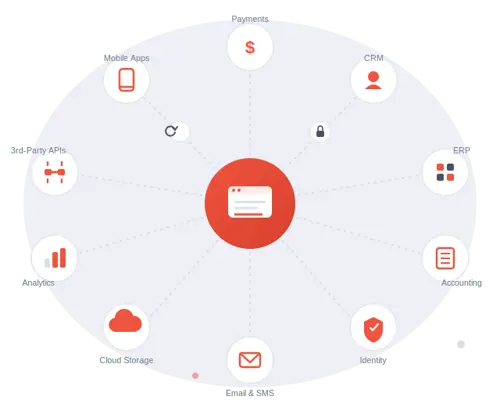
Build APIs and integration workflows that allow your SaaS platform to communicate reliably with CRM, ERP, payment, identity, analytics, and other third-party systems.
Establish environments, deployment processes, monitoring, backups, and infrastructure that can evolve as application usage grows.
Design for increasing users, transactions, and data volumes through appropriate database architecture, caching, background processing, API optimization, and monitoring.
Keep the codebase modular, testable, and understandable so new features can be added without making every future release more difficult and expensive.
Use milestone-based development and repeatable deployment processes so product improvements can be released progressively rather than waiting for large, risky releases.
Here are some SaaS Implementation Case Studies that shows our 100% successful track record in SaaS Application Development.
We provided ASP.NET Zero development team to create custom Enterprise SaaS Platform.
Read Full Case Study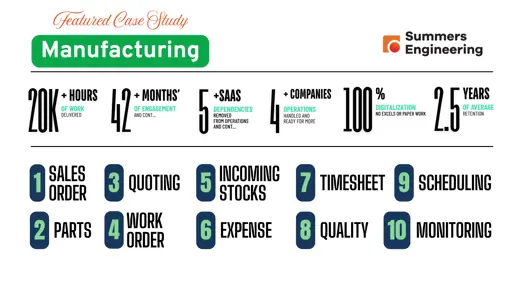
How Facile Technolab built a custom manufacturing SaaS using ASP.NET Core, Angular, and AWS for Summers Engineering in Australia streamlining operations.
Read Full Case Study
Helped a Hong Kong based startup complete and release parking management saas.
Read Full Case Study
Provided dedicated team for legacy modernization of payroll and attendance software.
Read Full Case Study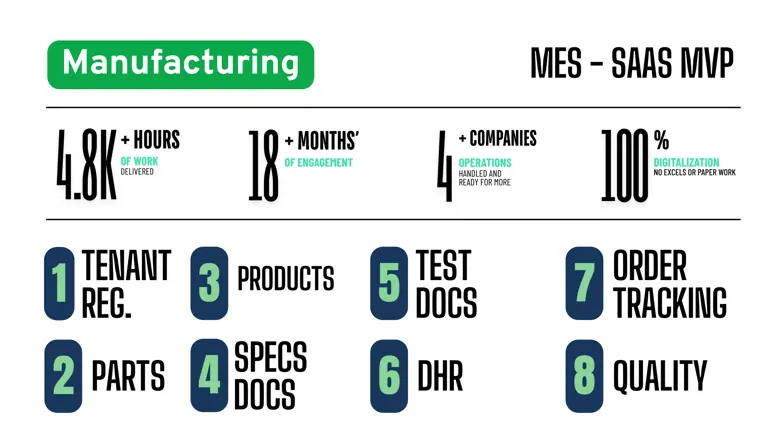
Converted InVision design into a working SaaS MVP for Australian company.
Read Full Case StudyA SaaS platform often becomes valuable because it connects multiplesystems.
Integration architecture should account for authentication, retries, failures, synchronization, data ownership, rate limits, and monitoring.
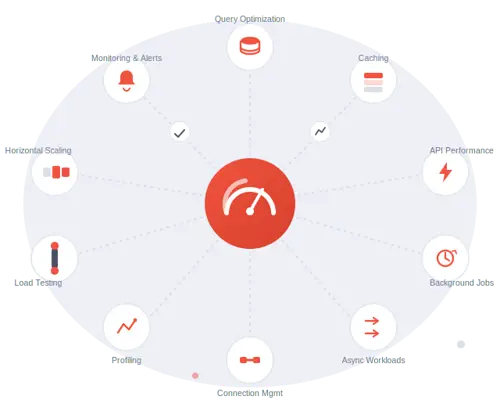
SaaS performance should be considered from the beginning because a performance problem can affect every customer.
Scaling decisions should be based on actual usage patterns and expected growth rather than infrastructure complexity for its own sake.
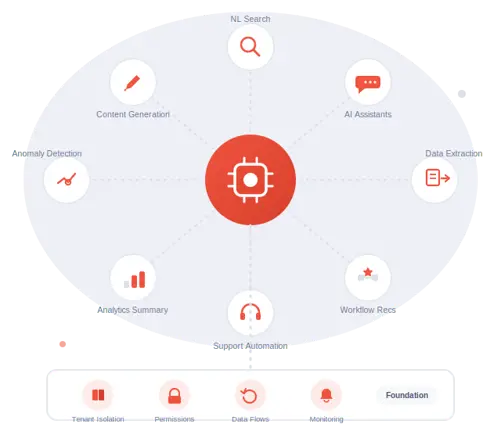
AI can become a useful SaaS capability when it solves a measurable customer or operational problem.
Potential applications include:
We recommend stabilizing core SaaS foundations tenant isolation, permissions, reliable data flows, and monitoring before adding AI to critical workflows.
SaaS development costs depend on product scope, number of user roles, tenant architecture, integrations, billing requirements, security, UX complexity, infrastructure, and testing.
As a planning reference, Facile Technolab typically works at approximately $15-$40 USD per hour, depending on the required expertise and engagement model.
A SaaS project is normally divided into multiple milestones rather than priced as one undifferentiated build.
For an MVP, we recommend defining:
This produces a much more useful estimate than pricing the product from a feature list alone.
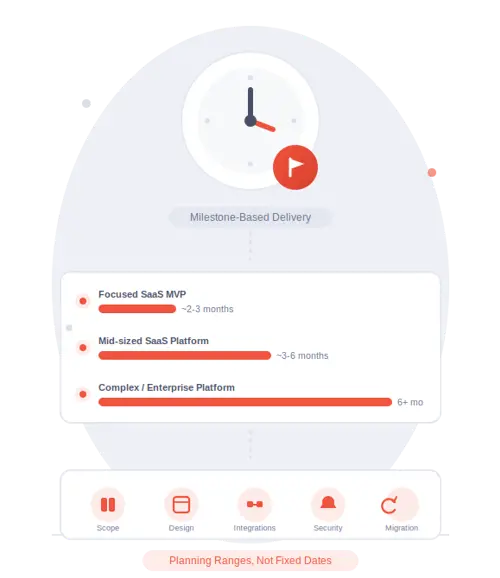
SaaS products are typically delivered in milestones.
As a practical planning range:
These are planning ranges, not fixed commitments. Timeline depends on product scope, design readiness, integrations, backend complexity, security requirements, data migration, and the number of release milestones.
Our SaaS engineering capability is particularly strong around .NET,ASP.NET Core, Azure, Angular, and related Microsoft technologies.
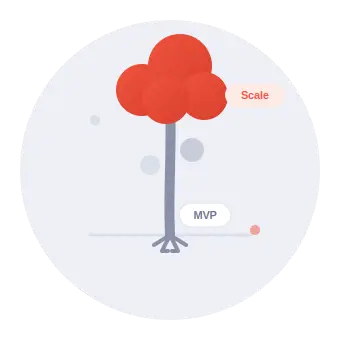
We can help move from a focused MVP to a larger production platform without treating the MVP as disposable code.
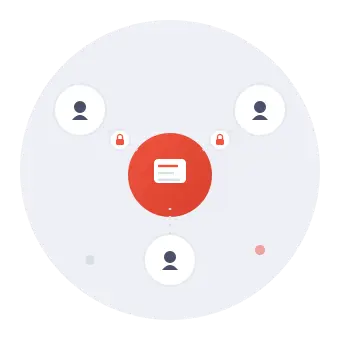
Tenant isolation, permissions, subscription logic, and scalable data access are considered part of the product architecture.
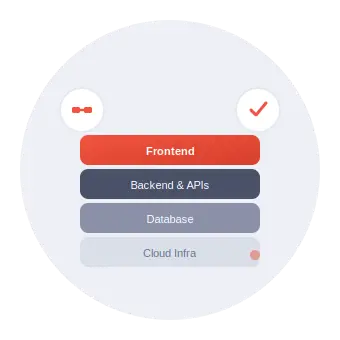
SaaS products require frontend, backend, APIs, databases, cloud infrastructure, integrations, testing, and ongoing engineering. We can support these layers as one coordinated engagement.
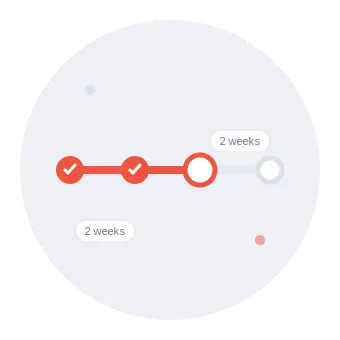
Projects are broken into milestones so scope, priorities, progress, and investment remain visible throughout development.
We can continue supporting the SaaS roadmap after launch through new features, optimization, maintenance, and modernization.
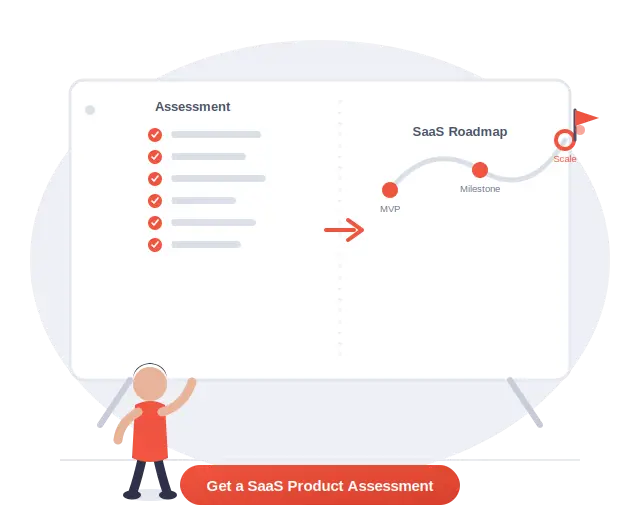
Have an idea for a SaaS product but are unsure about scope, architecture, cost, or timeline?
We can review:
The outcome is a practical SaaS roadmap rather than a generic development estimate.
Here is what our clients say about our SaaS Platform/Software Development Services.
" Facile Technolab Pvt Ltd's work is now in use by more than 20 individuals, reflecting its great quality and usability. The team provides daily updates and communicates clearly and proactively. The client commends the team's flexibility, professionalism, and keen understanding of the requirements. "
" Facile Technolab Pvt Ltd delivered a fully-functional solution that met the client's standards and expectations. Leading a structured approach, the team managed their tasks well and delivered on time. Their transparency, top-tier customer support, and enthusiasm were hallmarks of their work. "
" The app is still in development, but the client is at a great point right now thanks to Facile Technolab Pvt Ltd. The team has improved the models and made them faster, and they’ve stood out for their responsiveness and cooperative approach. They communicate well via WhatsApp and Microsoft Teams. "
" Thanks to Facile Technolab Pvt Ltd's engagement, the client is able to demonstrate a functional prototype to their end client that has received positive feedback. The team has executed an effective project management style. They are prompt and communicative in the partnership. "
" So far, Facile Technolab Pvt Ltd has been meeting the deliverables. The team uses Slack to communicate and Trello for documentation. The client has been impressed by the team's professionalism and friendly approach. "
" While the project is still ongoing, the client is working well with Facile Technolab Pvt Ltd. The vendor is highly responsive with a collaborative mindset. "
" Facile Technolab's professionals helped the client notably increase revenue and reduce operation costs. Facile Technolab has independently and effectively managed the project and maintained stellar communication via Slack. Facile Technolab's cost-effectiveness and quality service are exemplary. "
" Facile Technolab's work met the client's expectations. The team showcased impressive culture and discipline. Facile Technolab was responsive via virtual meetings and worked in sprints, showing an ability to respond to the client's changing requirements. "
" Facile Technolab's services earned high satisfaction and excellent feedback from the client. The team was skillful, efficient, and timely in delivering tasks. They maintained clear communication via virtual meetings and email. Their efficiency in Microsoft technology stood out. "
" Facile Technolab Pvt Ltd delivered the project on time and to the client's satisfaction. The team ensured excellent communication via email, virtual meetings, and other messaging apps. Their research-oriented approach is a key element of their work. "
Learn from a top Enterprise SaaS development company how to build an enterprise B2B SaaS MVP starting from defining problems to launching and iterating.
Check out the list of top .NET SaaS boilerplates to launch your SaaS/Multi-tenancy products faster.
How to design a multi-tenant SaaS architecture on Microsoft Azure — tenancy models, data isolation, Azure SQL Elastic Pools, Entra ID, and infrastructure patterns.
No tech background? Learn how to create Enterprise SaaS Products using .NET Core . SaaS development lifecycle, assemble your dream team & launch profitably.
Many enterprises still rely on aging Windows applications that no longer scale. This guide walks IT leaders through a proven roadmap to migrate legacy apps to modern, cloud-native SaaS platforms.
Discover why 74% of successful enterprise SaaS platforms choose React.js and .NET Core. Leverage unmatched scalability, security, and cost efficiency for your mission-critical application.
Discover battle-tested .NET patterns for HIPAA-compliant healthcare SaaS. Learn encryption, audit logging, and access control strategies to avoid big penalties on violations.
How to design a multi-tenant SaaS architecture on Microsoft Azure. Tenancy models, data isolation, Azure SQL Elastic Pools, Entra ID, and infrastructure patterns.
Frequently asked questions about SaaS Product/Platform Development
SaaS development can include product discovery, UX, architecture, multi-tenancy, authentication, subscription and billing workflows, application development, APIs, integrations, cloud deployment, testing, monitoring, and ongoing product development.
Cost depends on product scope, user roles, multi-tenancy, integrations, billing, security, infrastructure, and testing. Facile Technolab typically works at approximately $15-$40 USD per hour depending on the required expertise and engagement model. Projects are usually divided into milestones.
A focused SaaS MVP can typically take around 2--3 months. Larger SaaS platforms with more workflows, integrations, billing, permissions, or enterprise requirements can take 3-6 months or longer.
Multi-tenant architecture allows one SaaS platform to serve multiple customers while maintaining logical isolation of each customer's data and configuration. The exact isolation model depends on security, compliance, scale, and operational requirements.
Yes. We can start with a focused MVP, release it to real users, learn from usage and feedback, and continue delivering roadmap features through subsequent milestones.
Yes. We can modernize outdated frameworks, frontend/backend architecture, databases, APIs, infrastructure, security, and deployment processes while using an incremental approach where appropriate.
Yes. We can integrate SaaS products with CRM, ERP, accounting, payment, identity, communication, analytics, mobile, and third-party SaaS systems through APIs and other appropriate integration approaches.
Yes. .NET, ASP.NET Core, and Microsoft Azure are core technologies we use for SaaS application development. The final technology stack depends on product requirements and the existing environment.
Yes. AI can be integrated into SaaS products for search, assistants, document extraction, recommendations, support automation, analytics summarization, and other workflows where it provides measurable value.
Yes. Ongoing support can include feature development, bug fixes, security updates, dependency upgrades, performance optimization, cloud improvements, monitoring, and modernization.
Tell us what your SaaS product needs to accomplish, who will use it, and where you are in the product lifecycle. We will help you define the right MVP or modernization roadmap, architecture, milestones, timeline, and investment.
Connect with us