
Discover how hospital systems slash software costs with .NET SaaS. Multi-tenant architecture, AI automation, cloud optimization & legacy modernization. Real case studies inside.
Discover how hospital systems slash software costs with .NET SaaS. Multi-tenant architecture, AI automation, cloud optimization & legacy modernization. Real case studies inside.
U.S. healthcare wastes $935 billion annually on inefficient systems (NIH 2024). As a Healthcare .NET development company, who's optimized infrastructure for some hospitals, we have proven these 8 strategies can:
For CFOs and CIOs, this isn't just technology, it's financial survival.
"Our .NET SaaS migration saved $1.4M in Year 1 - without staff reductions."
– Regional Hospital System CFO
Problem: Siloed systems cost 3.2x more per user
Solution Architecture:
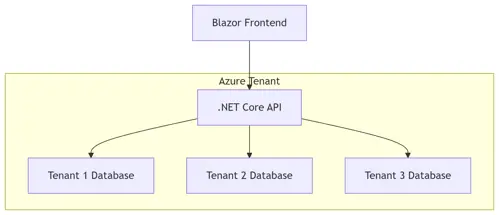
Key Features:
Savings: 62% lower TCO vs. single-tenant
Problem: Manual processing costs $25.50 per claim (CAQH 2024)
.NET Implementation:
// Azure Function
public static async Task Run(Claim claim, ILogger log)
{
    // AI eligibility check
    var isApproved = await _aiService.PredictApproval(claim);

    // Auto-process or flag
    if (isApproved.Confidence > 0.95)
        _db.ApproveClaim(claim);
    else
        _workflowService.RouteForReview(claim);
}
Cost Impact: $8.10 per claim (68% reduction)
Problem: 73% of hospital clouds are over-provisioned (Flexera 2024)
Azure Optimization Code:
// Autoscale rules
services.Configure<WebJobScaleOptions>(options => {
    options.Rules.Add(new ScaleRule {
        MetricName = "QueueLength",
        ScaleDirection = ScaleDirection.Out,
        Threshold = 50,
        ScaleAmount = 2
    });
});
Scaling Triggers:
Problem: Custom interfaces cost $120K/system/year
Modernization Approach:

Key Components:
Problem: 11+ separate dashboards waste $4.2M/year in productivity
.NET Solution:
// Power BI Embedded
var reportConfig = new EmbedConfig {
    ReportId = "operational-dashboard",
    EmbedUrl = "https://app.powerbi.com/reportEmbed",
    EmbedToken = await _tokenService.GenerateTokenAsync()
};
Unified Metrics:
Impact: 15 hours/week saved per executive
Problem: Unchecked spending grows 23% quarterly
Azure Policy Examples:
{
  "if": {
    "field": "type",
    "equals": "Microsoft.Compute/virtualMachines"
  },
  "then": {
    "effect": "deny",
    "details": {
      "size": "Standard_D4s_v3" // Block oversized VMs
    }
  }
}
Guardrails Implemented:
Outcome: 31% less budget variance
Problem: Chronic conditions drive 90% of Medicare spend
.NET IoT Stack:
| Layer | Technology |
|---|---|
| Devices | Bluetooth glucose monitors |
| Ingestion | Azure IoT Hub |
| Processing | .NET Stream Analytics |
| Alerts | SignalR Real-Time |
| Cost Avoidance: $18K/patient/year in ER visits |
Problem: Manual audits cost $350K/year for 200-bed hospitals
Compliance-as-Code:
# Azure Pipeline
- task: OWASPZapSecurityTest@1
  inputs:
    target: 'https://ehr-app.com'
    compliance: 'hipaa'

- task: AzurePolicyValidation@2
  inputs:
    templatePath: 'infra/main.bicep'
Automated Checks:
Savings: 80% lower audit prep costs
| Stage | Key Strategies | Timeline |
|---|---|---|
| Quick Wins | 3, 6 | 4-6 weeks |
| Core Savings | 1, 2, 5 | 12-16 weeks |
| Long-Term ROI | 4, 7, 8 | 6-9 months |
Our Hospital Cost Optimization Framework delivers:
Guarantee: 2:1 ROI within 18 months or we refund implementation fees.
These strategies transform IT from a financial drain to: